
How Calls Get Dialed in Florida
Florida has no single local dialing rule. In the overlay regions, which include Miami, Tampa, Orlando, Jacksonville, Broward, Palm Beach, and the Panhandle, every local call takes all 10 digits. In five stand-alone codes, 239, 386, 727, 772, and 863, a 7-digit local call still connects. The 988 rollout added a third group in 2021, when 352, 561, 941, and Brevard's 321 went 10-digit by federal order. The full call-type map looks like this.
| Call Type | Phone Code Format | Example |
|---|---|---|
| Local, overlay regions | 10-digit (area code + 7) | 305-XXX-XXXX |
| Local, 239 / 386 / 727 / 772 / 863 | 7-digit still connects | XXX-XXXX |
| Long distance within the US | 1 + 10-digit | 1-904-XXX-XXXX |
| Toll-free | 1 + toll-free prefix + 7 | 1-800-XXX-XXXX |
| International from a landline | 011 + country code + number | 011-44-... |
| Statewide services | 3-digit N11 code | 211, 511, 811 |
Two forces created this patchwork. Overlays force 10-digit dialing wherever a second code shares the ground, since the network can no longer guess the area code from seven digits. The 988 crisis line forced it in regions where 988 already worked as a local prefix, so a short crisis call would not get mistaken for the start of a longer number. Each change came with a permissive period, when both old and new formats connected, before the cutover made 10 digits mandatory.
One carrier caveat applies to the 1 prefix. Many mobile phones accept a bare 10 digits or +1 for any domestic call, while landlines and office PBX systems may insist on the 1 for toll calls. When a call fails, adding the 1 is the first thing to try.
N11 Phone Codes in Florida
The three-digit N11 phone codes reach services instead of people, and Florida has a full slate. One caution up front: Florida has no statewide 311. That code only works where an individual city or county runs a 311 center. Everything else routes statewide.
| N11 Phone Code | What It Reaches in Florida |
|---|---|
| 211 | Florida 211 community services, referrals, and disaster resources |
| 311 | Local non-emergency services, only where a city or county operates it |
| 411 | Carrier directory assistance; may carry a fee, separate from the Florida 411 website |
| 511 | FL511, the official FDOT traffic and road-condition service |
| 611 | Your own phone carrier's customer service |
| 711 | Florida Relay for deaf, hard of hearing, deafblind, and speech-disabled users |
| 811 | Sunshine 811, required before any digging |
| 911 | Emergency police, fire, and medical dispatch |
| 988 | Suicide and Crisis Lifeline, run in Florida through DCF |
Two entries in the table depend on your carrier rather than the state. Dialing 411 for directory assistance is a traditional carrier service that can carry a fee, and it is entirely separate from the Florida 411 website that lists state employees. Dialing 611 simply rings whichever company sells you phone service. The official definitions behind all of these live with the numbering administrator, in NANPA's abbreviated-code reference.
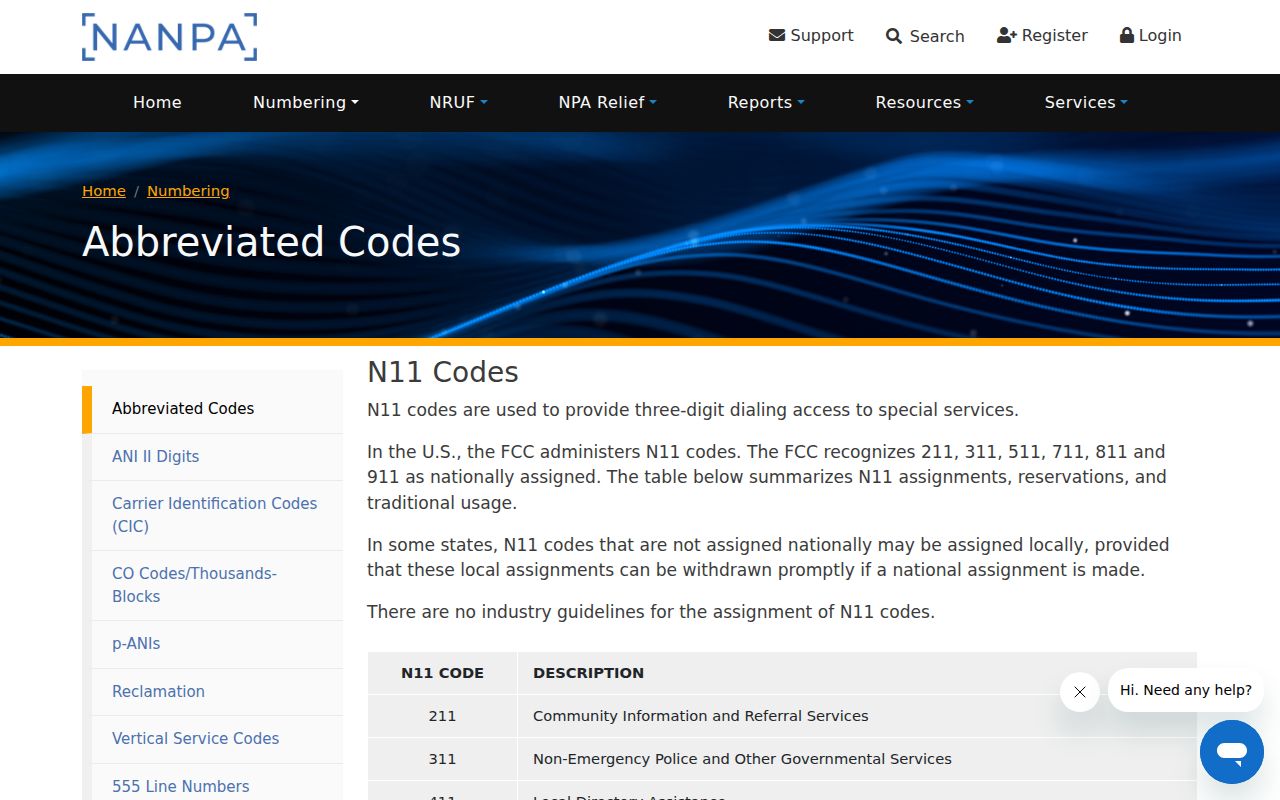
That reference settles what each code is assigned to do nationally, while the Florida entries in the table show how each lands here. The digging code deserves its own word, because it carries legal weight. Sunshine 811 takes locate requests by phone at 811 or 800-432-4770 and marks buried utility lines for free before excavation starts.
One call replaces phoning every utility separately, and skipping it risks both damage bills and injury.
Florida's 511 and 711 Services
Two of the N11 phone codes matter more in Florida than almost anywhere else. The first is 511. Hurricanes, floods, and evacuations make road information a safety issue here, and FL511 delivers it in real time: crashes, closures, construction, travel times, and alternate routes, with a mobile app and full English and Spanish service.
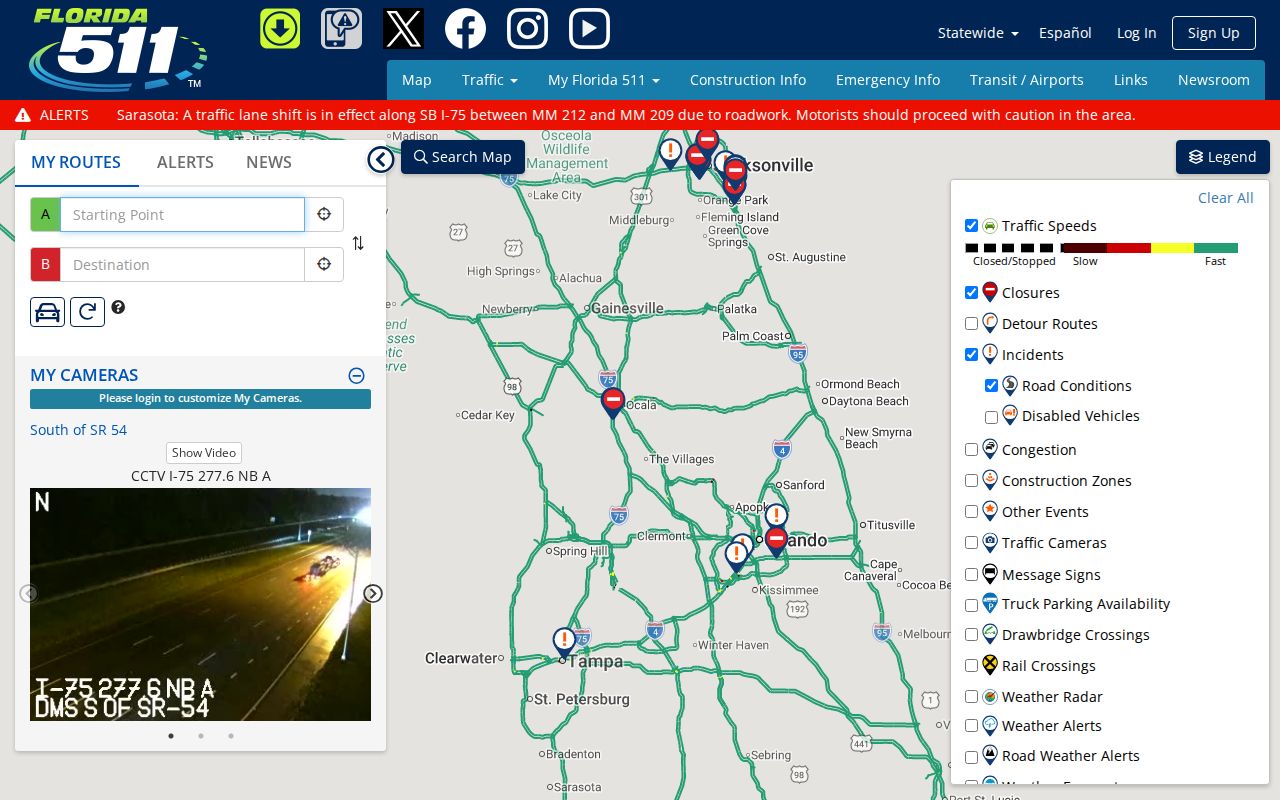
During an evacuation, three digits beat any map app that has not caught up to a washed-out road. The second is 711. Florida Relay connects deaf, hard of hearing, deafblind, and speech-disabled residents to any phone number through trained operators, with a Spanish relay at 877-955-8773.
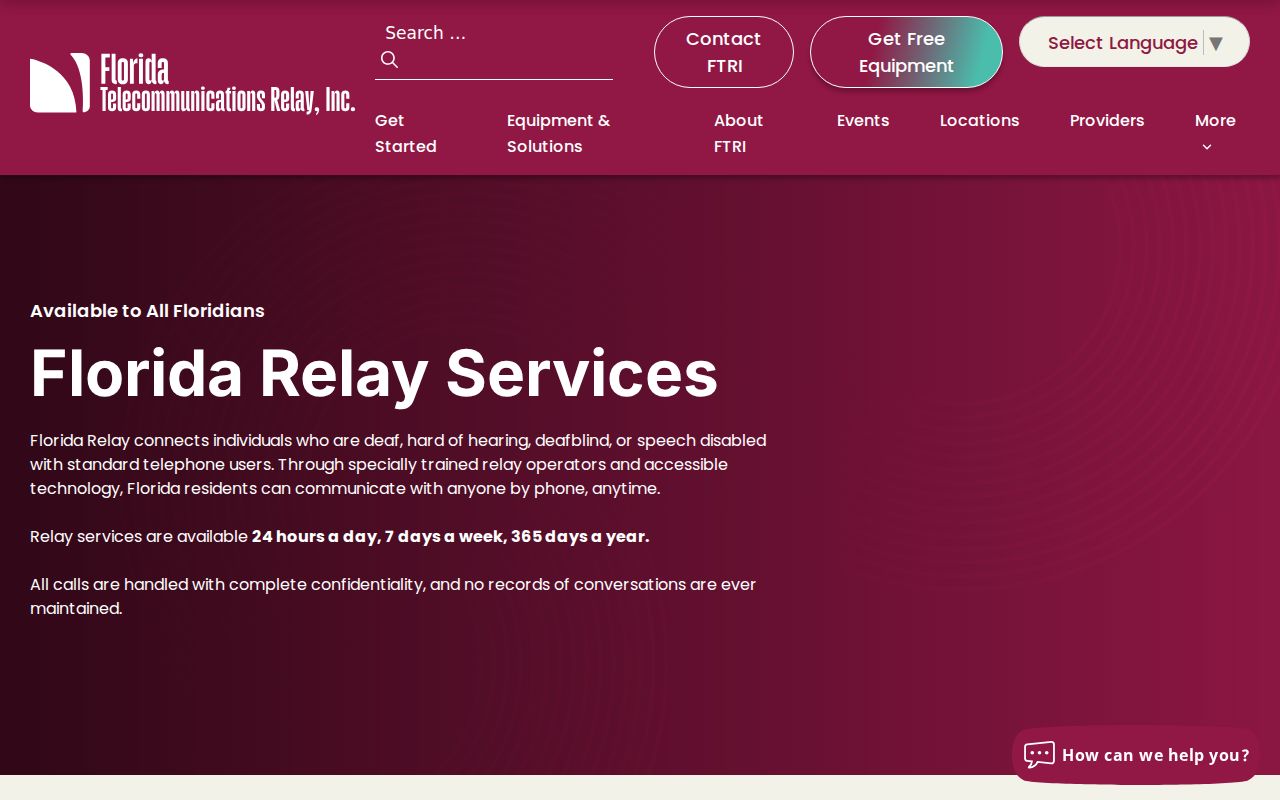
Since many Florida agencies publish phone-only contact options, 711 is what keeps those doors open to everyone.
Star Codes on Florida Lines
Vertical service codes, the star codes, flip features on and off for a single line. Support varies by carrier and line type, and some codes carry per-use fees, but the core set works across most Florida landlines and many wireless plans. NANPA publishes the official vertical service code list with the formal name of each function.
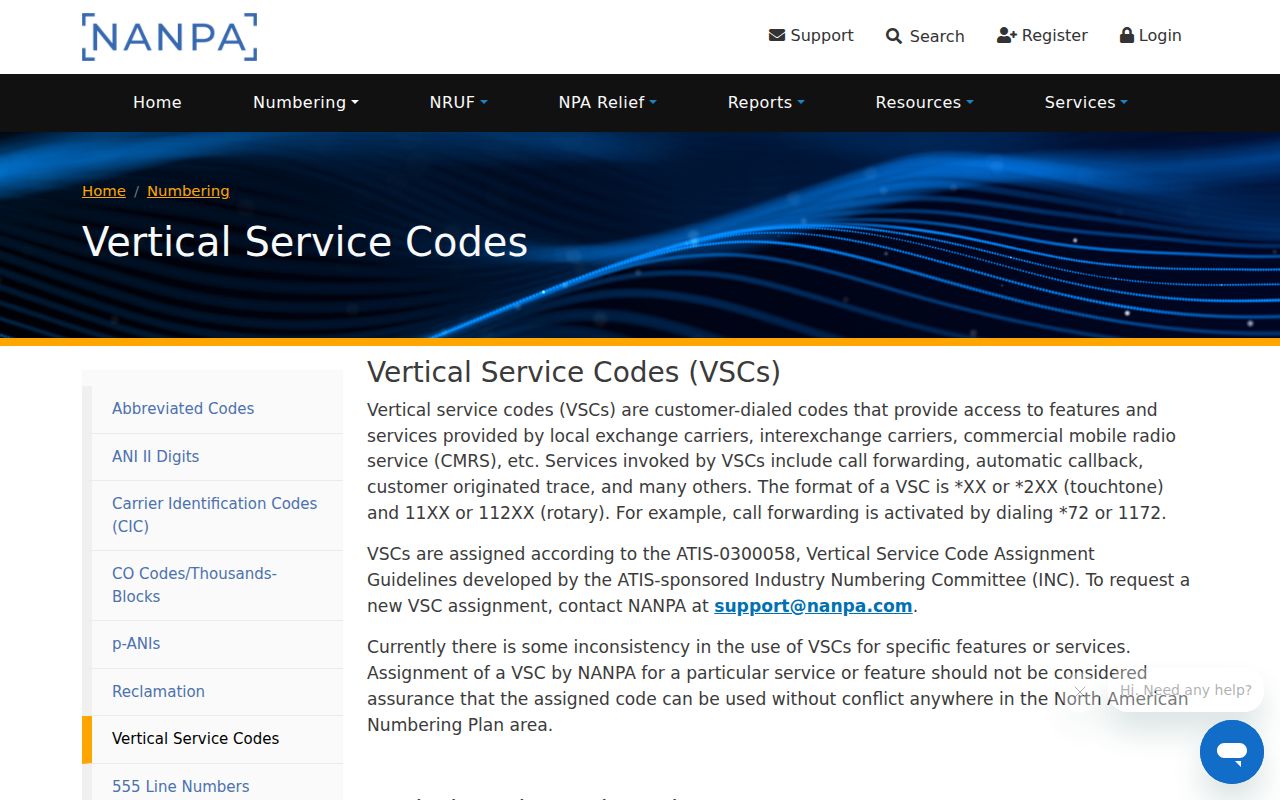
In everyday terms, these are the ones worth remembering.
| Star Phone Code | Action |
|---|---|
| *57 | Trace the last call after a threatening or harassing call |
| *60 | Turn on selective call rejection for chosen numbers |
| *67 | Block your caller ID for the next call only |
| *69 | Call back the last number that rang your line |
| *70 | Pause call waiting for the next call |
| *72 | Turn on call forwarding, then enter the forward-to number |
| *73 | Turn call forwarding off |
| *77 | Reject anonymous callers automatically |
| *82 | Unblock your caller ID for the next call |
Note: *57 traces go to law enforcement rather than to you, so follow a trace with a report to your local agency for it to matter.
Area Codes as Phone Codes
The area code is just the first phone code in every full number, and Florida carries 23 of them. They cluster into regional families rather than scattering randomly, which makes the map easier to hold in your head than the count suggests. The geography, history, and county-by-county detail live on the Florida phone area codes page; the short version fits in a list.
- South Florida - 305, 786, and 645 in Miami-Dade and the Keys; 954 and 754 in Broward; 561 and 728 in Palm Beach
- Central Florida - 407, 321, and 689 around Orlando, with 321 doubling as the Space Coast code
- Tampa Bay - 813 and 656 on the Tampa side, 727 across Pinellas and coastal Pasco
- North Florida - 904 and 324 around Jacksonville; 850 and 448 across the Panhandle; 352 and 386 inland
- Coasts and interior - 239 southwest, 941 on the Sarasota coast, 772 on the Treasure Coast, 863 inland
Toll-Free Codes Florida Callers See
Toll-free prefixes look like area codes but carry no geography at all. They bill the called party instead of the caller, which is why state hotlines and business support lines favor them. Seven are in service, added one at a time as the previous prefix filled up.
| Toll-Free Phone Code | Rolled Out |
|---|---|
| 800 | 1967 (original) |
| 888 | 1996 |
| 877 | 1998 |
| 866 | 2000 |
| 855 | 2010 |
| 844 | 2013 |
| 833 | 2017 |
Florida's own hotlines span the whole set, from the 800-number abuse hotline to 833 and 844 legal aid lines. A toll-free caller ID also means the number says nothing about where the caller sits.
Calling Out: +1 and 011
Country code +1 covers the whole North American Numbering Plan, Florida included. Domestic calls never need it dialed explicitly, but every international caller reaching a Florida number uses it. Going the other way, outbound international calls use the 011 exit code from landlines or the + shortcut on mobile.
- From a Florida landline calling abroad: dial 011, then the destination country code, then the local number.
- From a mobile in Florida: press and hold 0 to get +, then dial the country code and the local number.
- From abroad calling Florida: dial that country's exit code, then 1, then the 10-digit Florida number.
International rates depend entirely on the plan, so check before dialing rather than after the bill arrives.
Prefix Phone Codes in Florida Numbers
The middle three digits of a full number, the NXX, form the local exchange phone code. Prefixes historically pointed to a physical central office and still map to rate centers, the billing geography that decides whether a call rates as Miami, Tampa, or Jacksonville. Institutions sometimes hold visible blocks, the way University of Florida numbers cluster under 352-392, though such blocks are organizational examples rather than a rule.
Modern numbering loosened the old meaning. Carriers now receive numbers in thousands-blocks of 1,000 instead of full 10,000-number prefixes, and portability lets any number keep its prefix while changing carriers. A prefix mismatch can hint that a caller is not who they claim, but only a live carrier lookup gives a current answer.
Spam Labels and STIR/SHAKEN
The Likely Spam tag on a Florida phone screen comes from STIR/SHAKEN, the FCC's caller-ID authentication framework. Providers digitally sign calls as they hand them between networks, which makes wholesale spoofing harder to hide. A 2025 rule change tightened the system further, requiring the provider that holds the authentication duty to make its own attestation decisions and sign with its own certificates, effective September 18, 2025. The label is still a judgment, not proof. Real numbers occasionally get flagged, and clean-looking calls can still be scams, so treat the tag as one signal among several.
Phone Code Definitions
Five terms cover nearly all the vocabulary used above.
- NPA
- Numbering Plan Area - the 3-digit area code at the start of every North American number.
- NXX
- Central office code - the 3 digits after the area code.
- N11
- 3-digit service codes (211, 311, 411, 511, 611, 711, 811, 911, 988).
- Vertical Service Code
- A * + 2-digit code that triggers a call-handling feature.
- Toll-Free Prefix
- An NPA that routes a call's billing to the called party (800, 888, 877, 866, 855, 844, 833).
- NANP
- North American Numbering Plan - the +1 country-code region covering the US, Canada, and 23 other territories.
Looking Up a Florida Phone Code
Verifying any phone code takes two stops. NANPA holds the authoritative assignments for area codes, prefixes, N11 codes, and toll-free prefixes. The FCC documents the consumer-facing rules, including the 10-digit dialing transition tied to 988. Between them, every code claim a caller makes can be checked in minutes.